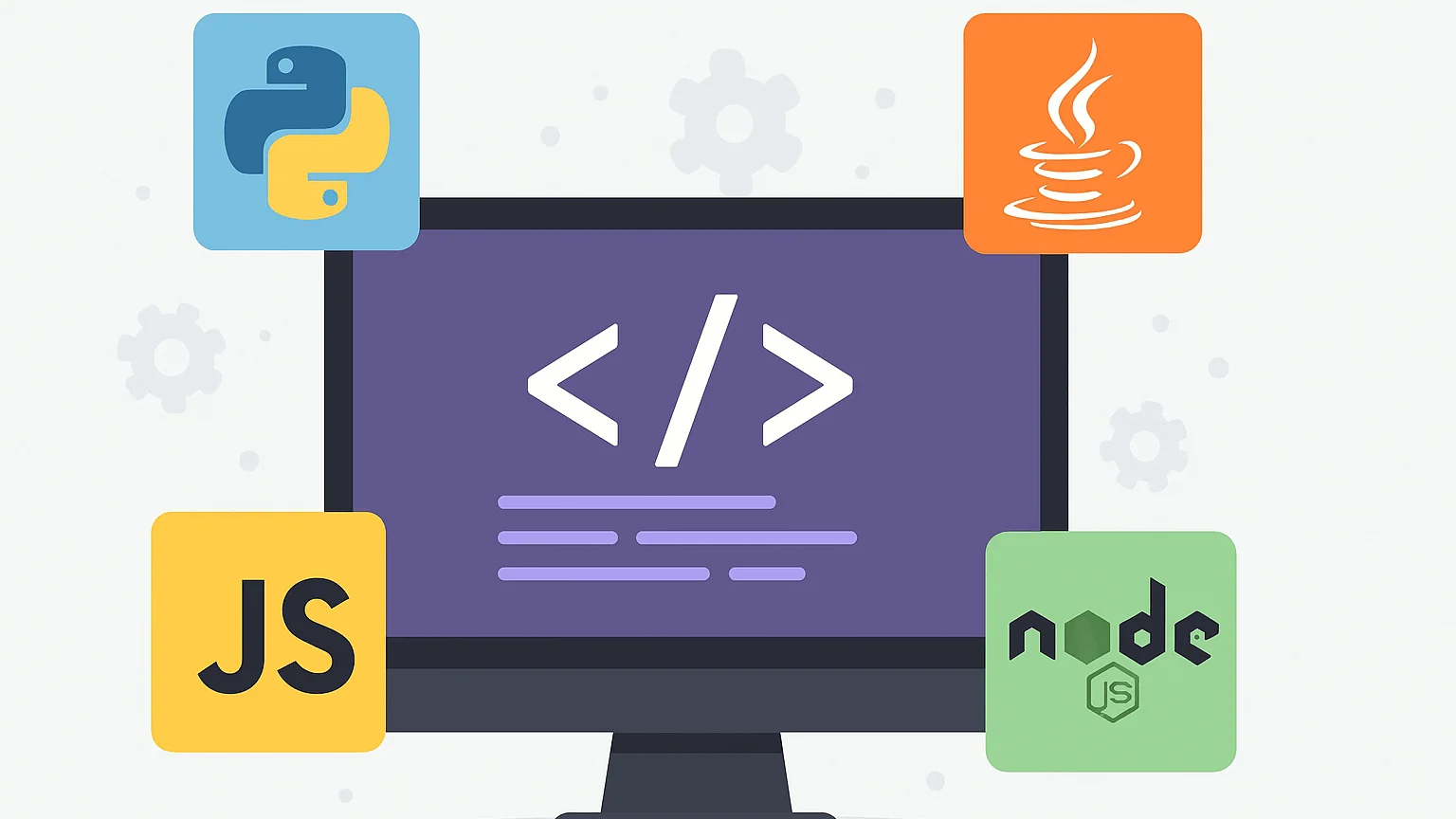
Choosing the right backend stack in 2026 is no longer just about popularity, it’s about long-term maintainability, performance under scale, ecosystem maturity, and hiring realities. With cloud-native architectures, AI-driven workloads, and distributed systems becoming the norm, backend engineers are expected to make smarter language choices.
In this article, we’ll break down the top backend programming languages you should learn in 2026, based on real production usage, industry demand, and architectural trends. This guide is written for advanced developers who already understand backend fundamentals and want to invest their time strategically.
What You Need To Know?
Before diving into specific languages, you should already be comfortable with:
- HTTP, REST, and API design principles
- Databases (SQL & NoSQL)
- Linux server environments
- Basic cloud concepts (containers, CI/CD, observability)
- At least one backend framework in production
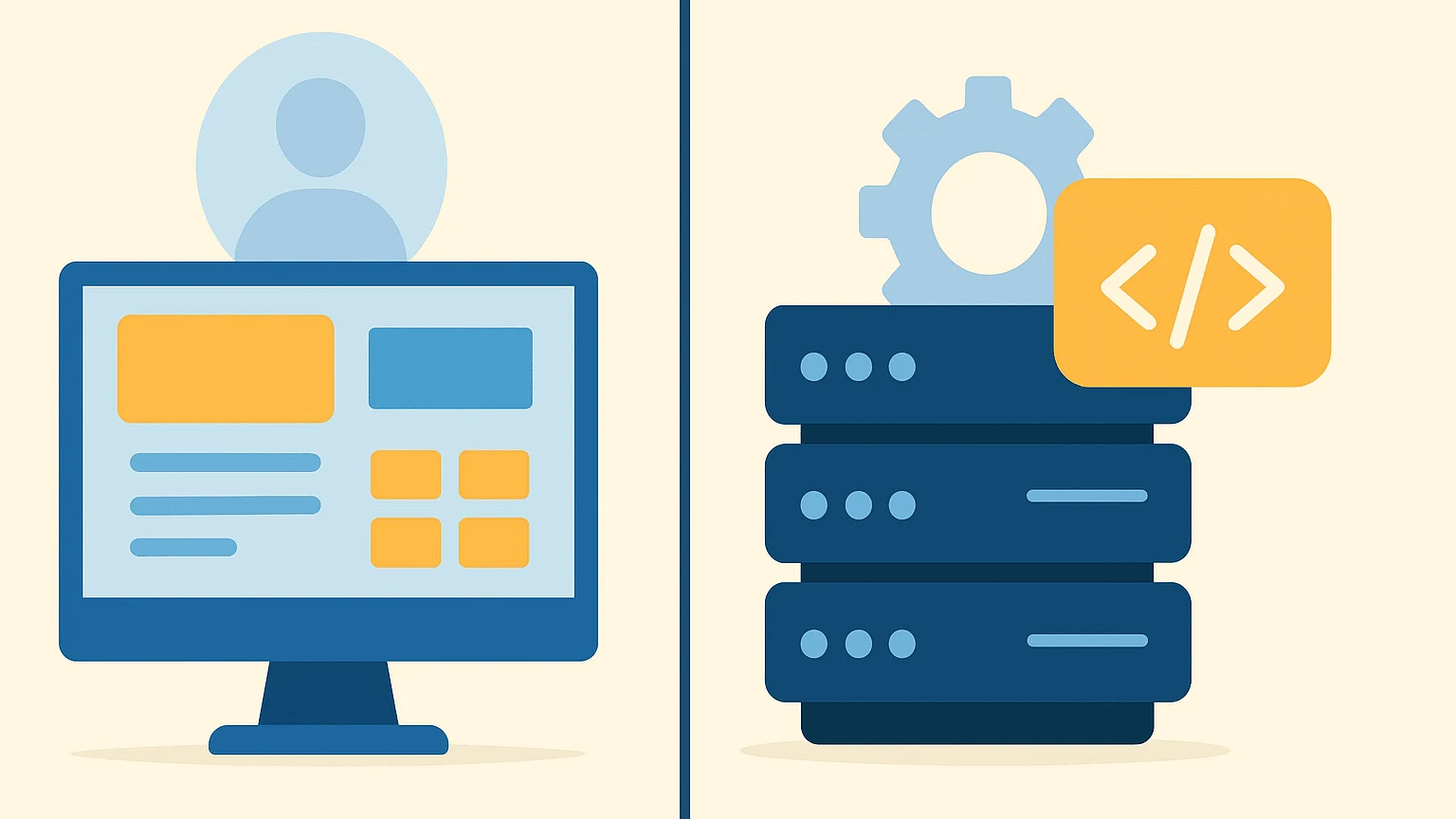
If you’re still at the beginner level, consider reading this article about Frontend vs Backend before continuing.
How to Choose the Best Backend Language in 2026
1. Identify Your Target Use Case
Backend language choice depends heavily on what you’re building:
- High-throughput APIs
- Real-time systems
- Enterprise applications
- Cloud-native microservices
- AI-backed platforms
2. Evaluate Ecosystem & Tooling
Look beyond syntax:
- Framework maturity
- Package management
- Debugging and observability tools
- Cloud provider support
3. Consider Hiring & Longevity
A technically superior language is useless if:
- Hiring is difficult
- The ecosystem is shrinking
- Long-term support is uncertain
Top Backend Programming Languages for 2026
1. Go (Golang) - Cloud-Native and Scalable by Design
Go continues to dominate backend infrastructure in 2026.
Why Go stands out:
- Designed for concurrency (goroutines)
- Minimal runtime overhead
- First-class citizen in Kubernetes, Docker, Terraform
- Excellent for microservices and APIs
Best use cases:
- Cloud-native backends
- High-performance APIs
- DevOps tooling
If performance, simplicity, and scalability matter, Go is often the best backend language choice.
2. Java (Modern Java 17+) - Still an Enterprise Powerhouse
Despite constant “Java is dead” claims, Java remains extremely relevant.
What changed:
- Faster release cycles
- Improved JVM performance
- Modern frameworks like Spring Boot 3 and Quarkus
Best use cases:
- Enterprise systems
- Financial platforms
- Large-scale distributed services
Java’s ecosystem maturity makes it one of the safest backend programming languages in 2026.
3. Python - Productivity Meets AI & Automation
Python remains unmatched in developer velocity.
Strengths:
- Massive ecosystem
- Dominant in AI/ML and data pipelines
- Fast prototyping and iteration
Trade-offs:
- Slower raw performance
- Requires careful scaling strategies
Best use cases:
- AI-powered backends
- Internal tools
- API gateways with async frameworks (FastAPI)
4. Node.js (JavaScript / TypeScript) - Full-Stack Efficiency
Node.js remains highly relevant, especially with TypeScript becoming standard.
Why Node.js still matters:
- Unified language across frontend & backend
- Huge ecosystem
- Excellent for real-time applications
Best use cases:
- SaaS products
- Real-time APIs
- Startup environments
TypeScript is now a must-have to avoid maintainability issues.
5. Rust - The High-Performance Specialist
Rust is no longer niche, it’s strategic.
Key advantages:
- Memory safety without garbage collection
- Exceptional performance
- Growing backend and systems ecosystem
Best use cases:
- Performance-critical services
- Security-sensitive systems
- Infrastructure-level backends
Rust has a steeper learning curve but pays off in reliability.
Comparison Table: Backend Languages at a Glance
| Language | Performance | Ecosystem | Learning Curve | Best For |
|---|---|---|---|---|
| Go | High | Strong | Moderate | Cloud APIs |
| Java | High | Very Strong | Moderate | Enterprise |
| Python | Medium | Massive | Low | AI & APIs |
| Node.js | Medium | Massive | Low | SaaS & Real-time |
| Rust | Very High | Growing | High | Systems |
Best Practices & Common Mistakes
Best Practices
- Choose based on use case, not hype
- Prioritize observability and tooling
- Consider long-term maintenance costs
- Standardize frameworks across teams
Common Mistakes
- Chasing new languages without production maturity
- Ignoring hiring realities
- Over-optimizing too early
- Mixing too many backend stacks in one organization
FAQ - Backend Programming Languages 2026
Q1: What is the best backend language in 2026?
There is no single best backend language. Go and Java dominate scalable systems, while Python excels in AI-driven platforms.
Q2: Is Node.js still relevant for backend development?
Yes. With TypeScript and proper architecture, Node.js remains a strong choice for modern backends.
Q3: Should I learn Rust for backend development?
If you work on performance-critical or security-focused systems, Rust is absolutely worth learning.
Q4: Is Python suitable for high-traffic backends?
Yes, when paired with async frameworks, caching, and horizontal scaling.
Q5: Should I learn multiple backend languages?
Yes. Advanced backend engineers should be fluent in at least two production-grade backend languages.
Wrapping Up
The backend programming languages landscape in 2026 rewards engineers who think strategically. Go and Java dominate scalable infrastructure, Python leads AI-driven backends, Node.js powers fast-moving products, and Rust defines the future of performance-critical systems.
Instead of asking “What is the best backend language?”, ask “Which backend language best solves my problem?” That mindset will future-proof your career far more than chasing trends.
If you’re serious about backend engineering in 2026, start mastering one of these languages deeply and understand why it’s used in production.