If you’ve ever typed a website address like google.com or github.com, you’ve already used a domain name. But for many beginners, what is a domain name and why it’s so important for a website is still unclear.
From my experience managing servers and deploying websites, a domain name is more than just an address. It affects credibility, branding, SEO, and even long-term maintenance. Whether you’re launching a personal blog, a startup site, or a production web app, understanding domain names early will save you time and costly mistakes later.
This article explains the domain name meaning, how domain names work behind the scenes, and why they matter for anyone building on the web.
What Is a Domain Name?
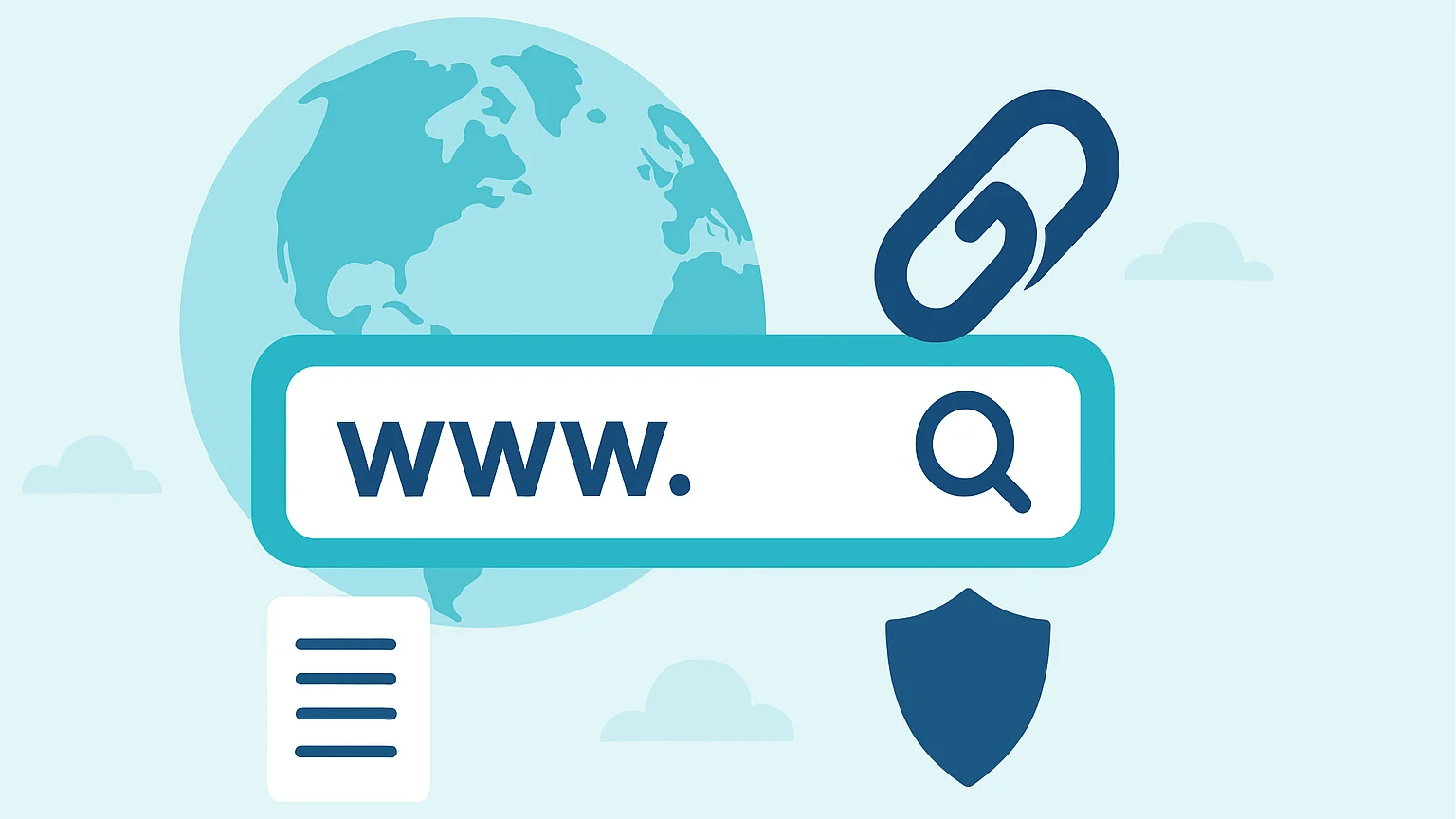
A domain name is a human-readable address used to access a website on the internet. It acts as a friendly shortcut for an IP address, which is the actual numerical identifier used by computers.
For example:
| Domain Name | IP Address (Example) |
|---|---|
| example.com | 1.2.3.4 |
Instead of remembering numbers, users remember words. That’s the core purpose of a domain name.
Domain Name Structure
A domain name typically has three parts:
- Subdomain (optional):
www,blog,api - Second-level domain (SLD): the main name (
example) - Top-level domain (TLD):
.com,.net,.org,.io
Example:
www.example.com
How Domain Names Work (Simplified)
Understanding how domain names work doesn’t require deep networking knowledge. Here’s a simplified flow that reflects how it works in real-world infrastructure.
What Happens When You Enter a Domain Name in Your Browser?
- You type
example.cominto your browser - The browser asks a DNS server for the IP address
- DNS returns the matching IP
- The browser connects to the server
- The website is loaded
In short, DNS (Domain Name System) acts like the internet’s phone book.
Do I Need a Domain Name?
If you are a blogger, content creator, or individual wanted to build a personal branding, then the answer is Yes, you need a domain name.
Before using a domain name, you typically need:
- A registered domain from a domain registrar (For example: CLoudflare Domain or Godaddy)
- A DNS provider (often included by the registrar)
- A hosting server or platform
- (Optional but recommended) SSL certificate
How to Get and Use a Domain Name
Step 1: Choose a Domain Name
Pick a name that is:
- Short and easy to remember
- Easy to spell
- Relevant to your brand or purpose
Step 2: Select a TLD
Common options include:
.com– best for general use.org– organizations and communities.net– tech-related projects- Country TLDs like
.uk,.au,.my
Step 3: Register the Domain
Register through a trusted registrar and ensure:
- Ownership details are correct
- Auto-renewal is enabled
Step 4: Configure DNS
Typical DNS records include:
A     example.com     → 1.2.3.4
CNAME www.example.com → example.com
Why a Domain Name Matters
From an operational and business standpoint, a domain name plays several critical roles:
- Branding and Trust
A custom domain looks professional. Users trust yourbrand.com far more than a free subdomain.
- SEO Benefits
While a domain name alone won’t rank your site, it supports:
- Click-through rates
- Brand recognition
- Long-term search visibility
- Full Ownership
Unlike social platforms, you fully control:
- Content
- Traffic
- DNS and infrastructure
- Scalability
A good domain allows you to grow:
- Add subdomains (api.example.com)
- Move servers without breaking links
FAQ: Domain Names Explained
Q: What is a domain name in simple terms?
A: A domain name is a readable web address that points to a server hosting a website.
Q: Is a domain name the same as web hosting?
A: No. A domain is the address, while hosting is where your website files live.
Q: How long does a domain registration last?
A: Typically 1–10 years, depending on how long you register it for.
Q: Can I change my domain name later?
A: Yes, but it requires redirects and can impact SEO if done improperly.
Q: Do I need a domain name for a small website?
A: Yes. Even small projects benefit from professionalism and control.
Wrapping Up
Understanding what is a domain name is a foundational skill for anyone working with the web. It’s not just a technical requirement, it’s part of your identity, brand, and infrastructure.
Choose your domain carefully, configure it properly, and treat it as a long-term asset. A good domain name won’t guarantee success, but a poor one can definitely hold you back.