Why Online Privacy Matters
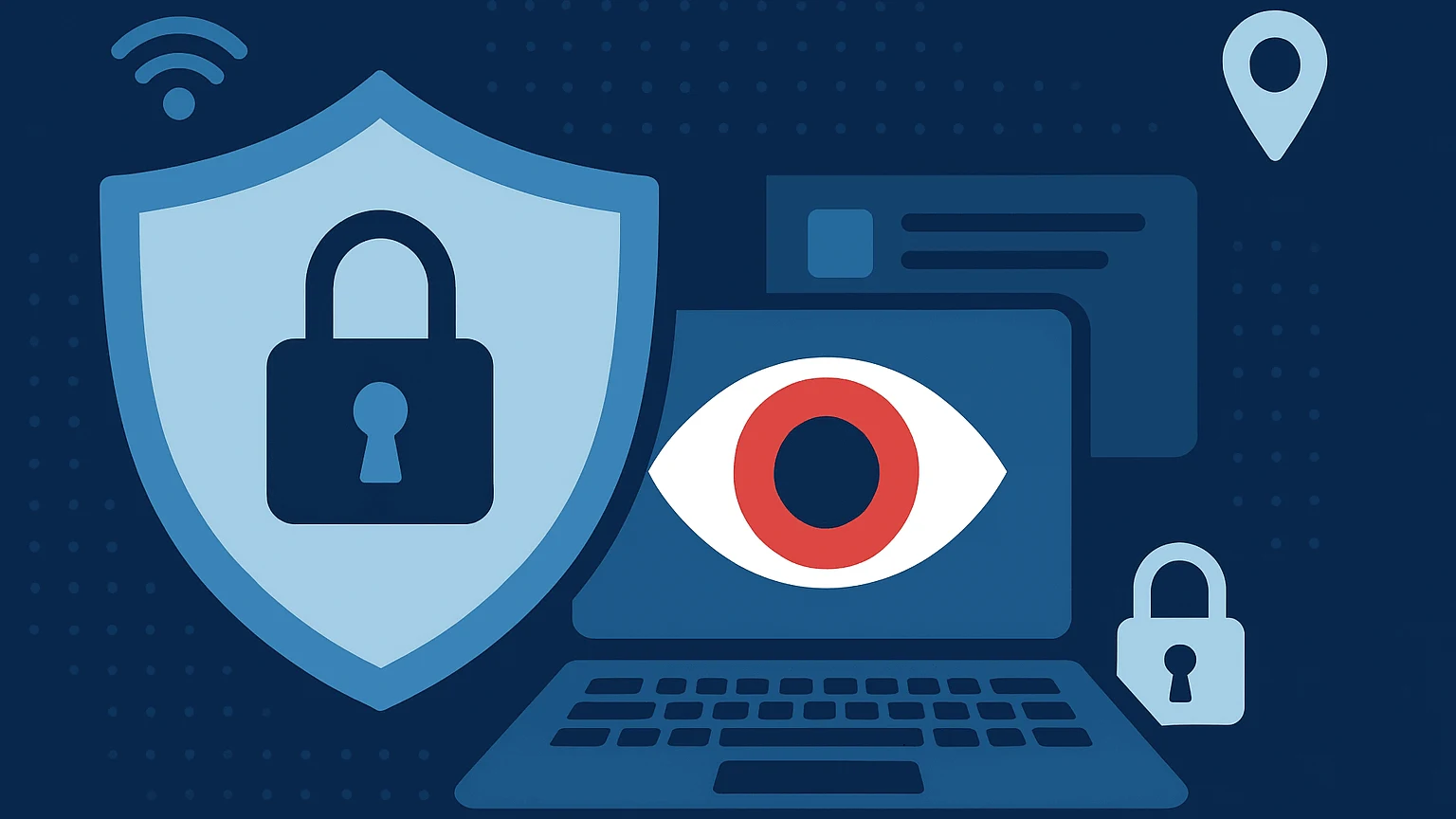
A decade ago, “online privacy” sounded like a niche concern, something only hackers, journalists, or overly cautious people talked about. Today, it’s quietly woven into everyday life. Every search, message, location ping, and login leaves a trace. Most of us know this on some level, yet we rarely stop to ask why online privacy matters beyond vague discomfort.
As someone who’s spent years around technology, building things, breaking things, and watching how data flows behind the scenes, I can tell you this: privacy isn’t about hiding. It’s about context, control, and dignity in a world that runs on data.
The Invisible Trail We Leave Behind
The internet feels intangible, but it’s surprisingly physical in one sense: data sticks. Your browsing habits, shopping preferences, and even how long you hover over a post can be logged, stored, and analyzed.
What’s interesting is how passive this process has become. You don’t need to post personal details for companies to know a lot about you. Patterns do the work:
- Where you usually are at certain times
- What you’re likely to buy next
- Which headlines catch your attention
- How stressed or relaxed you might be
This is the heart of digital privacy. It’s not just about what you share, but what’s inferred.
“I’ve Got Nothing to Hide” Misses the Point
One of the most common reactions to privacy concerns is a shrug followed by, “I’m not doing anything wrong.” I used to hear this a lot, and it always struck me as oddly incomplete.
Privacy isn’t about wrongdoing. It’s about boundaries.
You close the bathroom door not because you’re guilty of something, but because certain moments are meant to stay private. Online spaces blur those lines. When personal data protection is weak, information meant for one context quietly slips into another, often without your awareness.
Why Online Privacy Matters in Everyday Life
Privacy discussions often focus on big, dramatic risks: identity theft, financial fraud, or massive data breaches. Those are real, but they’re only part of the picture.
More subtle effects show up over time:
- Shaped choices: Algorithms decide what you see, nudging opinions and preferences.
- Digital labeling: Profiles can affect credit offers, job ads, or pricing.
- Chilling effects: People think twice before searching or speaking freely.
None of this feels catastrophic in isolation. Together, it changes how freely people explore ideas, take risks, or express themselves online.
Data Isn’t Neutral
One thing experience teaches you quickly: data always reflects the priorities of whoever collects it.
Companies optimize for engagement. Governments prioritize security. Platforms chase growth. Your interests may overlap with theirs, but they’re not the same thing.
Once data exists, it tends to get reused. Sometimes responsibly, sometimes not. The problem isn’t just breaches or leaks; it’s the slow accumulation of information that outlives its original purpose.
That’s why conversations around personal data protection matter even when nothing “bad” seems to be happening.
Privacy vs. Convenience: A Quiet Trade-Off
Modern apps are incredibly convenient. Maps know where you’re going before you finish typing. Streaming services feel like they understand your mood. Smart devices respond instantly.
That convenience often relies on data collection. The trade-off isn’t always explicit, but it’s there.
| Convenience Feature | What It Relies On | Privacy Implication |
|---|---|---|
| Personalized feeds | Behavioral tracking | Filtered worldview |
| Smart recommendations | Long-term data storage | Detailed user profiling |
| Location-based services | Continuous location data | Movement history |
| One-click logins | Cross-platform identifiers | Broader data linkage |
This isn’t a moral judgment, just a reality. Understanding the trade-off helps people decide what they’re comfortable with, instead of drifting into it by default.
It’s About Control, Not Fear
Online privacy conversations often drift toward fear, but fear isn’t the most useful lens. Control is.
When people understand how data works, they can choose when personalization is helpful and when it’s intrusive. They can appreciate technology without surrendering agency.
From a tech perspective, this balance is healthy. Systems built with respect for digital privacy tend to earn more trust, and trust, in the long run, matters more than raw data.
A More Thoughtful Way Forward
Caring about privacy doesn’t mean rejecting technology or living off the grid. It means recognizing that data represents real people with real lives, not abstract metrics.
The internet is still evolving, and so are social norms around it. Asking why online privacy matters is really asking what kind of digital world we want to inhabit, one that quietly observes everything, or one that respects context and consent.
That question doesn’t need an immediate answer. It just deserves more attention than it usually gets.